Sacred sites
Remote monasteries, sanctuaries, historic churches and small chapels invite visitors to discover a more intimate Greece, …
Christian Sacred Sites in Greece
Greece possesses an exceptional Christian heritage, deeply rooted in its history, landscapes and culture. From the earliest Christian communities to the great traditions of Eastern Orthodoxy, its churches, chapels and monasteries bear witness to a spiritual and artistic history that has evolved over many centuries. Today, these sacred places remain living spaces of faith, memory, art and discovery, open to all who wish to understand their historical and cultural significance.
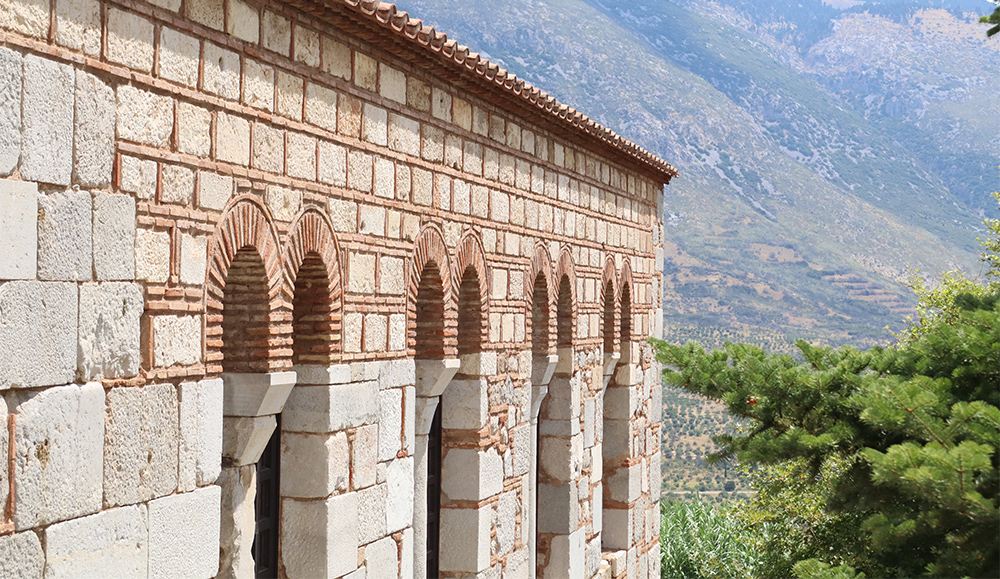
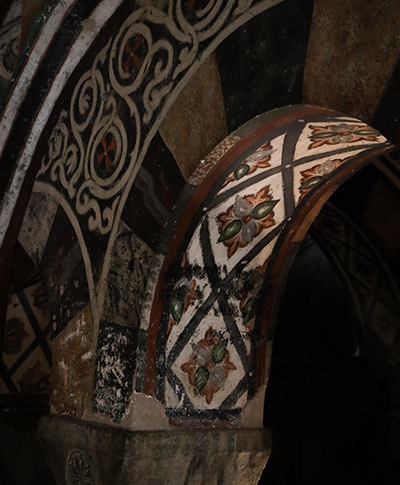
From modest rural chapels to imposing cross-shaped churches, …
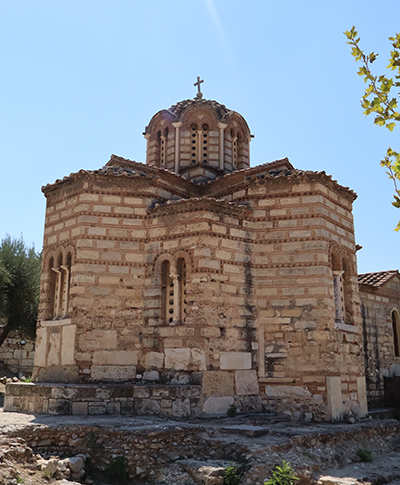
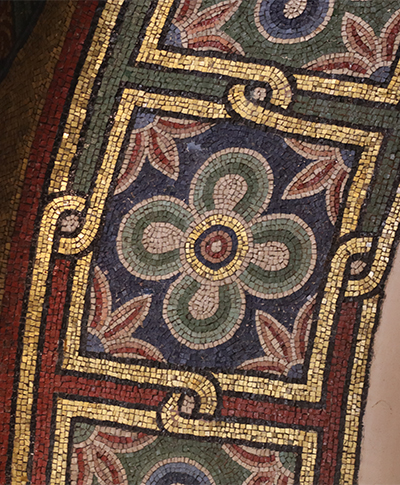
Throughout the country, Early Christian, Byzantine and post-Byzantine churches reveal the continuity of a remarkable tradition. Frescoes, mosaics, icons, manuscripts, sculptures and liturgical objects bear witness to the close relationship between spirituality and artistic expression. From modest rural chapels to imposing cross-shaped churches, Christian architecture forms an integral part of the Greek landscape. Some buildings were also erected on or near ancient sites, illustrating the different historical and cultural layers that have shaped the country over the centuries.
Monasteries hold a special place within this heritage
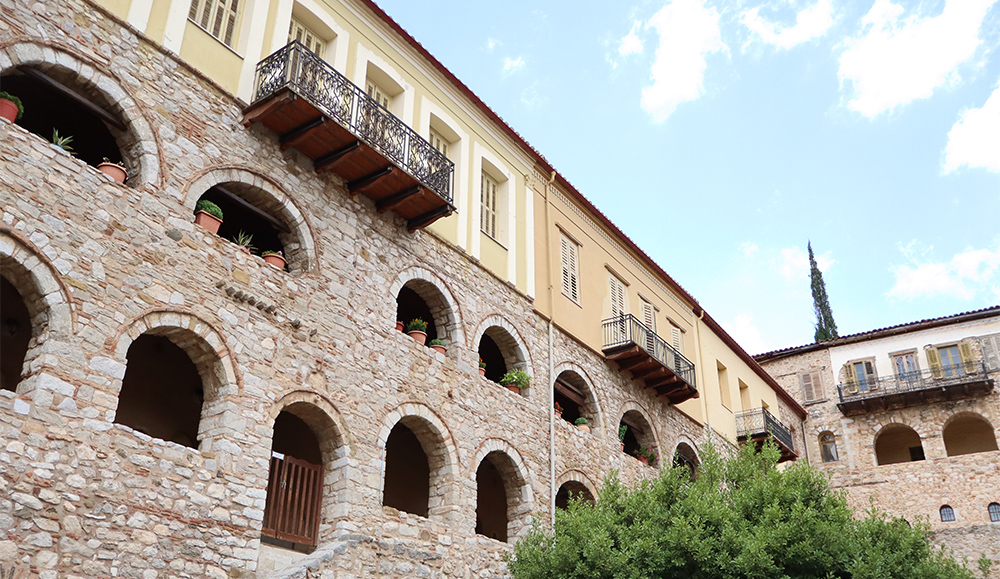
Usually organised around a central church, known as the katholikon, they often include chapels, monks’ cells, refectories, libraries and guest facilities. Beyond their religious function, monasteries served for centuries as centres of learning and places where manuscripts and works of art were preserved, while also providing support to local communities. During the Ottoman period, some played an important role in preserving the Greek language, culture and education. Their heritage therefore extends far beyond their buildings, encompassing landscapes, traditions, craftsmanship and the collective memory of the communities that sustained them.
Among Greece’s great monastic centres, Mount Athos and Meteora occupy an exceptional position. Mount Athos preserves an extraordinary artistic and spiritual heritage, including monumental paintings, portable icons, manuscripts, embroidery, woodcarving and liturgical objects. Meteora, meanwhile, offers a spectacular encounter between nature and spirituality: its monasteries, built on the summits of immense rock formations, form a unique landscape recognised by UNESCO as World Heritage.
Among Greece’s great monastic centres, Mount Athos and Meteora occupy an exceptional position. Mount Athos preserves an extraordinary artistic and spiritual heritage, including monumental paintings, portable icons, manuscripts, embroidery, woodcarving and liturgical objects. Meteora, meanwhile, offers a spectacular encounter between nature and spirituality: its monasteries, built on the summits of immense rock formations, form a unique landscape recognised by UNESCO as World Heritage.
Such journeys offer an opportunity to experience history, …
Yet these renowned sites should not overshadow the multitude of sacred places scattered throughout the country. Remote monasteries, sanctuaries, historic churches and small chapels invite visitors to discover a more intimate Greece, often far from the major urban centres. Such journeys offer an opportunity to experience history, art, architecture and local traditions while discovering the landscapes in which these sacred monuments have developed.
Christian sacred sites in Greece are therefore much more than monuments. They constitute a living heritage where history, culture, art, nature and spirituality come together. Whether travelling for cultural discovery, historical exploration or pilgrimage, visitors can follow the paths of Christian tradition and experience another fascinating dimension of Greece’s rich heritage.
Christian sacred sites in Greece are therefore much more than monuments. They constitute a living heritage where history, culture, art, nature and spirituality come together. Whether travelling for cultural discovery, historical exploration or pilgrimage, visitors can follow the paths of Christian tradition and experience another fascinating dimension of Greece’s rich heritage.
Greece’s most famous sacred pilgrimage sites
Deeply rooted in Greece’s history and Christian tradition, the Orthodox Church occupies an important place within the country’s cultural heritage. Throughout the centuries, pilgrimage sites have served as places of prayer, remembrance and transmission, where faith has developed in close connection with history, art, architecture and the natural landscape.
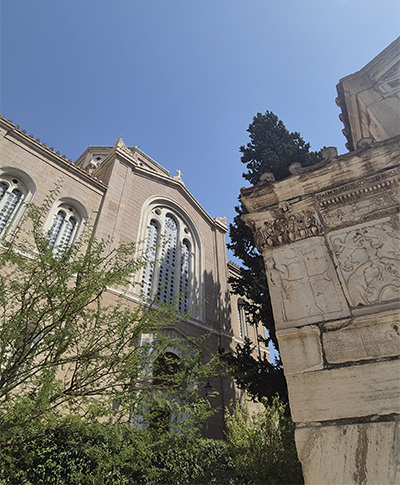
From major island sanctuaries to remote monasteries nestled in the mountains, Greece is home to a remarkable number of sacred places that attract pilgrims and visitors from around the world. Among the best known are the Sanctuary of the Virgin Mary of Tinos, the Church of Saint Demetrios in Thessaloniki, Meteora and Mount Athos, each offering a distinctive experience and an exceptional heritage.
From major island sanctuaries to remote monasteries nestled in the mountains, Greece is home to a remarkable number of sacred places that attract pilgrims and visitors from around the world. Among the best known are the Sanctuary of the Virgin Mary of Tinos, the Church of Saint Demetrios in Thessaloniki, Meteora and Mount Athos, each offering a distinctive experience and an exceptional heritage.
These sacred spaces are open to all who wish to discover them…
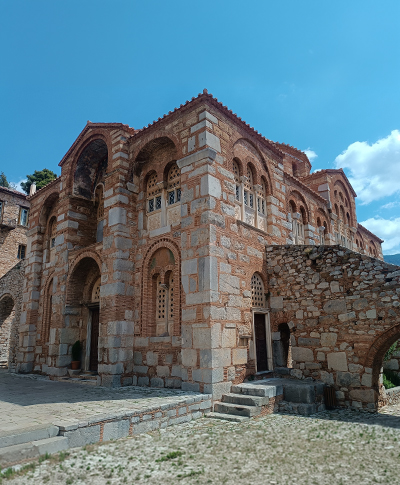
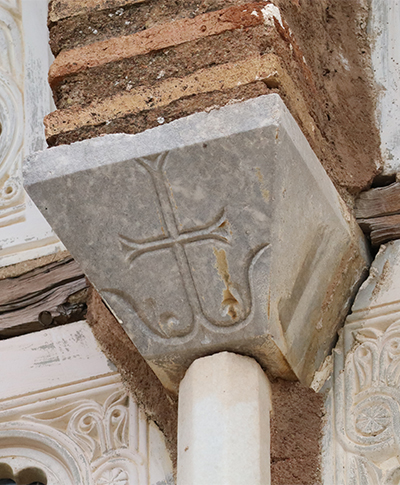
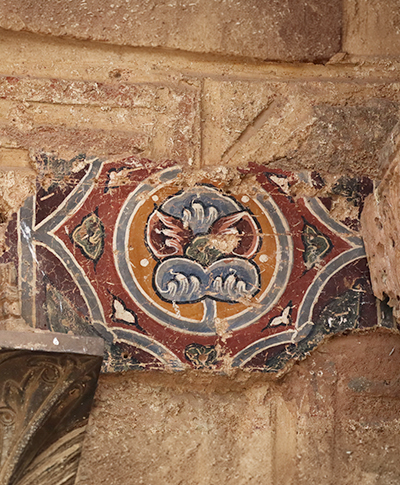
These places bear witness to the depth of Greece’s Christian tradition, but also to the diversity of its cultural heritage. Icons, frescoes, mosaics, relics, manuscripts and monastic architecture tell a story spanning many centuries. Often harmoniously integrated into unspoiled landscapes, sanctuaries and monasteries also offer an opportunity to discover a more intimate Greece, away from the country’s traditional tourist routes.
Pilgrimage can take many different forms: for some, it is an expression of faith and prayer; for others, an opportunity for historical, artistic and cultural discovery, or simply a journey towards a place of peace and contemplation. These sacred spaces are open to all who wish to discover them with respect for their history, traditions and spiritual character.
From the Aegean and Ionian islands to the mountainous regions of mainland Greece, Early Christian and Byzantine churches, chapels and ancient monasteries are scattered throughout the country. Each offers an opportunity to explore the history of Christianity in Greece and to understand the place it has held within the country’s culture and identity.
Pilgrimage can take many different forms: for some, it is an expression of faith and prayer; for others, an opportunity for historical, artistic and cultural discovery, or simply a journey towards a place of peace and contemplation. These sacred spaces are open to all who wish to discover them with respect for their history, traditions and spiritual character.
From the Aegean and Ionian islands to the mountainous regions of mainland Greece, Early Christian and Byzantine churches, chapels and ancient monasteries are scattered throughout the country. Each offers an opportunity to explore the history of Christianity in Greece and to understand the place it has held within the country’s culture and identity.
Discover some of Greece’s most famous sacred pilgrimage sites and encounter a heritage where spirituality, history, art, architecture and the beauty of the landscape come together.
.